How to Create Immersive Magical Worlds in Indie Games

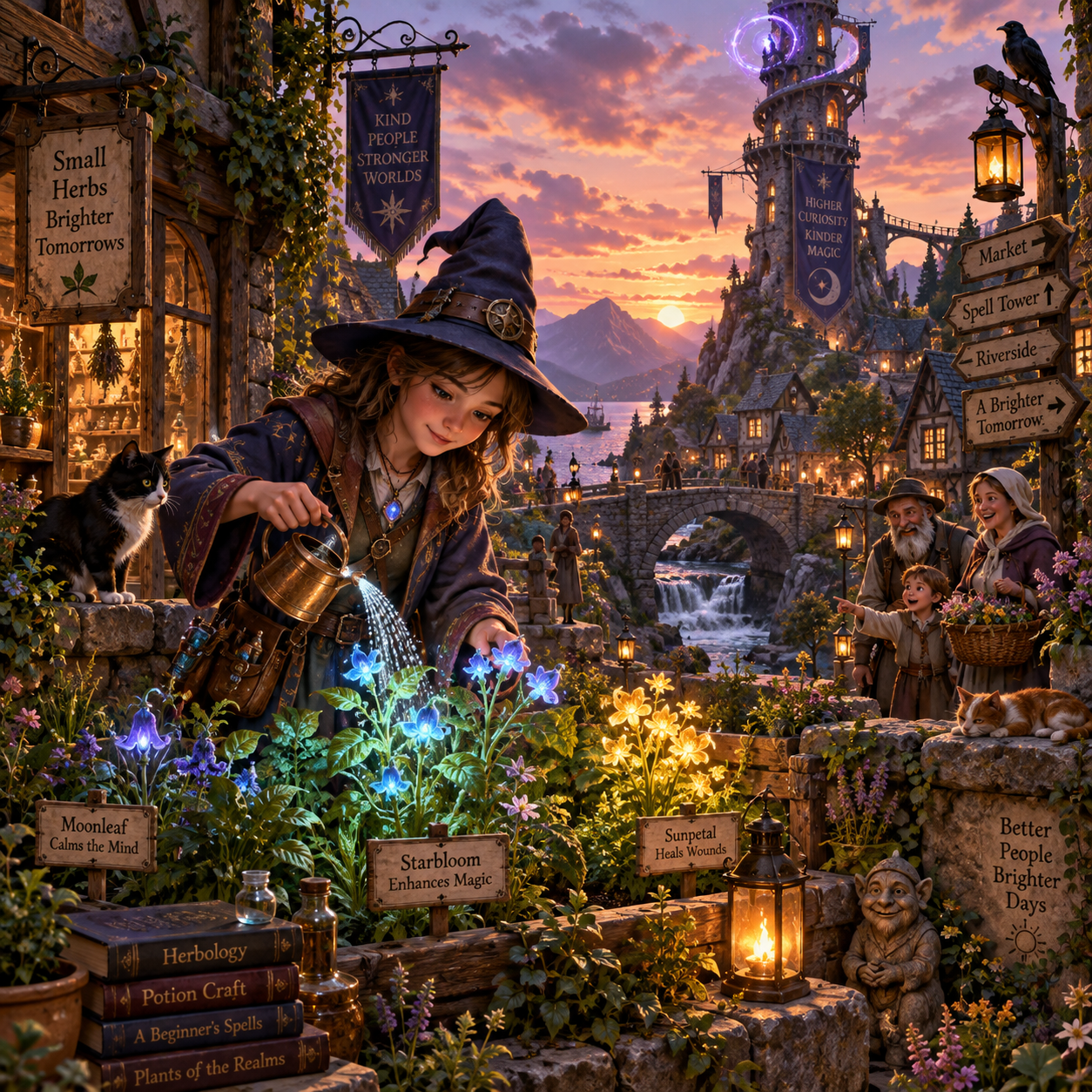
A magical world feels immersive when its wonders shape what the player does every day. For an indie life-simulation game about a wizard apprentice, that means connecting the setting to practical routines: learning spells, gathering ingredients, helping neighbors, and noticing how the village changes.
Strong worldbuilding does not require a vast map or encyclopedic lore. A few consistent ideas, expressed through the magic system, locations, characters, and player progression, can make a small setting feel rich. Start with what makes the world different, then let that premise guide every playable detail.
Start with a clear magical premise
A clear magical premise explains what makes the setting distinctive and how magic affects ordinary life. Choose one central idea, then show its consequences in the places people live and the work they do.
For example, perhaps magic comes from local plants and changes with the seasons. That premise can shape the apprentice’s lessons, the village economy, and the landscape: winter herbs are scarce, a greenhouse stays warm through a charm, and a baker relies on a neighbor to keep the oven flame steady. The magical setting then feels like a functioning place rather than a backdrop filled with decorative spell effects.
Write a short premise statement that answers three questions:
- Source: Where does magic come from: nature, study, spirits, crafted tools, or something else?
- Reach: Who can use it, and what can everyday people reasonably do with it?
- Consequence: What changes in work, community, or the environment because magic exists?
Use the answers to filter ideas. If magic grows from plants, a spell-based cooking task fits naturally; a distant kingdom’s complicated royal history may not help unless it affects the player’s immediate life. This keeps the scope manageable while giving the world a recognizable identity.
Build a magic system with meaningful limits
A meaningful magic system gives the player useful powers while setting clear limits on what those powers can do. Rules, costs, and discoveries make spells into gameplay decisions instead of universal solutions.
For a wizard apprentice, a simple spell might coax a seedling to grow, but only if the soil is healthy and the player has enough energy. Another spell could reveal hidden markings, yet work only at certain times of day. These conditions create reasons to plan, experiment, and learn the setting. They also make progression legible: the player understands what a new skill unlocks and why it matters.
Keep the rules easy to remember. A useful design test is to ask whether each spell has a clear purpose, a recognizable cost or condition, and at least one interesting use in daily play. Costs can be gentle: consuming an ingredient, using limited focus, requiring preparation, or creating a small environmental change. Too many restrictions make magic feel like paperwork; too few make exploration and problem-solving irrelevant.
Let discoveries expand the player’s understanding, not just their spell list. An apprentice might learn that a familiar charm works differently near old stone, then investigate why. That single rule can support a lesson, a location-based puzzle, and a piece of environmental storytelling.
Make locations tell stories
Locations feel memorable when their visual details and interactive objects hint at who uses them and what happened there. Give each place a practical purpose, a trace of history, and at least one detail the player can notice or affect.
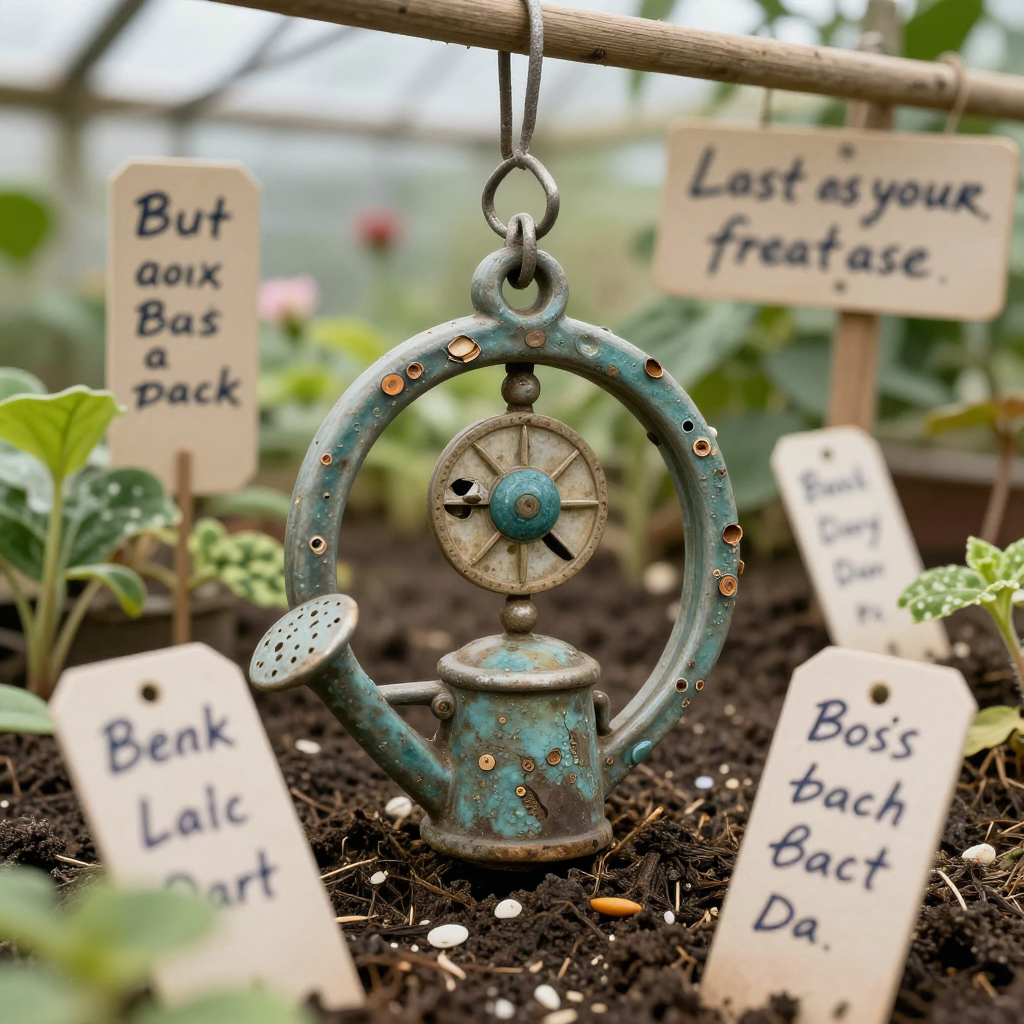
A village greenhouse, for instance, might contain labeled pots, a broken watering charm, and a bench where an older gardener leaves notes. The props establish work and history without a long dialogue explaining either. If the apprentice repairs the charm, the plants recover and a neighbor’s routine changes. That response makes the location feel connected to the wider world.
For each important area, sketch a compact location brief:
- What happens here on an ordinary day?
- What detail reveals the area’s past or current problem?
- What can the player change, use, or learn here?
Environmental storytelling can be inexpensive. Reused assets gain meaning through small variations: fresh footprints after rain, a lantern lit for a festival, or a worktable that fills with tools as the apprentice learns. The trade-off is that subtle clues can be missed, so pair atmosphere with a clear interaction or recurring visual cue when the information matters to progress.
Connect worldbuilding to daily routines
Connect worldbuilding to daily routines by making ordinary tasks express the setting and advance the apprentice’s goals. A satisfying life simulation turns spells, errands, work, and relationships into one coherent loop.
A day might begin with tending magical herbs, continue with a lesson at the tower, and end by delivering a calming charm to a worried neighbor. Each activity can serve more than one purpose: gardening supplies ingredients, practice improves a spell, and helping the neighbor builds a relationship while revealing a local concern. This overlap makes the world feel integrated and helps a small indie team create depth from a modest set of systems.
Design a routine around a few linked steps:
- Prepare: Check energy, weather, ingredients, or the day’s requests.
- Act: Use a spell, tool, or social skill to complete a task.
- Respond: Show a visible result in the environment, a character’s reaction, or a new opportunity.
Keep the schedule flexible enough for exploration and relationships. If every task expires quickly, the player may feel managed by the clock rather than immersed in village life. A gentle deadline for a festival delivery can create purpose; punishing missed chores can make the same system feel like a second job.
Give NPCs a place in the world
NPCs make a magical world feel inhabited when their routines, goals, and reactions reflect the same setting the player experiences. Give each character a daily pattern, a personal need, and a reason to respond to the apprentice’s actions.
A baker might open early because a warming charm keeps the ovens stable, while a gardener visits the market after tending a moonlit plot. Their routines show how magic fits into local life. Relationships deepen when conversations change with context: a character might mention a new spell, thank the apprentice for repairing a public charm, or ask about an unusual discovery.
Small teams can create believable NPCs without writing hundreds of dialogue lines. Use a few reusable layers: greetings tied to time or weather, reactions to important player actions, and a personal thread that develops over several encounters. Prioritize the moments players are likely to notice, such as a first successful favor or a location changing after a community task.
A common mistake is making every NPC a quest dispenser. That can make the village feel like a list of tasks. Give characters independent routines and interests, even when those details do not produce a reward. The player should sometimes see someone carrying groceries or closing a shop, simply because that is what the character would do.
Design exploration around discovery
Exploration rewards curiosity when new areas offer secrets, useful resources, or a fresh understanding of the magical setting. Each discovery should answer a small question or invite the player to ask another.
A path beyond the village might lead to rare moss, but the more memorable reward could be an old marker showing how residents once managed seasonal magic. A hidden room can contain a spell note that changes how the apprentice approaches a familiar task. These discoveries connect the map to player progression and environmental storytelling, rather than making exploration a hunt for collectibles alone.
Offer clues at different strengths. A distinctive glow or unusual sound can draw attention; a map annotation or NPC comment can point the way; a spell can reveal a detail that was previously invisible. This layered approach supports both observant players and those who prefer clearer direction.
Be selective with locked paths. Requiring a new spell can make progression satisfying when the player understands what the spell enables. Repeatedly blocking routes with arbitrary keys can make the world feel artificial. Every gate should teach a rule, test a learned skill, or create anticipation for a meaningful place.
Keep the world coherent as it grows
A coherent magical world keeps its art, writing, mechanics, and player progression aligned with the same central premise. Review new features against that premise before they become expensive to build or difficult to remove.
For a small indie team, a one-page world guide can prevent creative drift. Record the source and limits of magic, the village’s everyday rhythms, the tone of its stories, and a few visual rules. If magic depends on plants, for example, art should show where plants grow, quests should make ingredients matter, and progression should deepen the apprentice’s relationship with the landscape.
Test coherence through the player’s experience rather than through lore alone. After a short play session, ask someone to describe how magic works, what the apprentice does each day, and what makes the village distinctive. If those answers conflict, clarify the game through a visual cue, a routine, or a small mechanical change. More backstory is not always the fix.
As the game expands, protect room for surprise. A consistent premise gives discoveries meaning, while new characters and places show sides of that premise the player has not seen. The goal is a world that feels understandable enough to inhabit and open enough to explore.