Designing Magical Creatures for Life-Sim Games: From Enchantment to Everyday Life

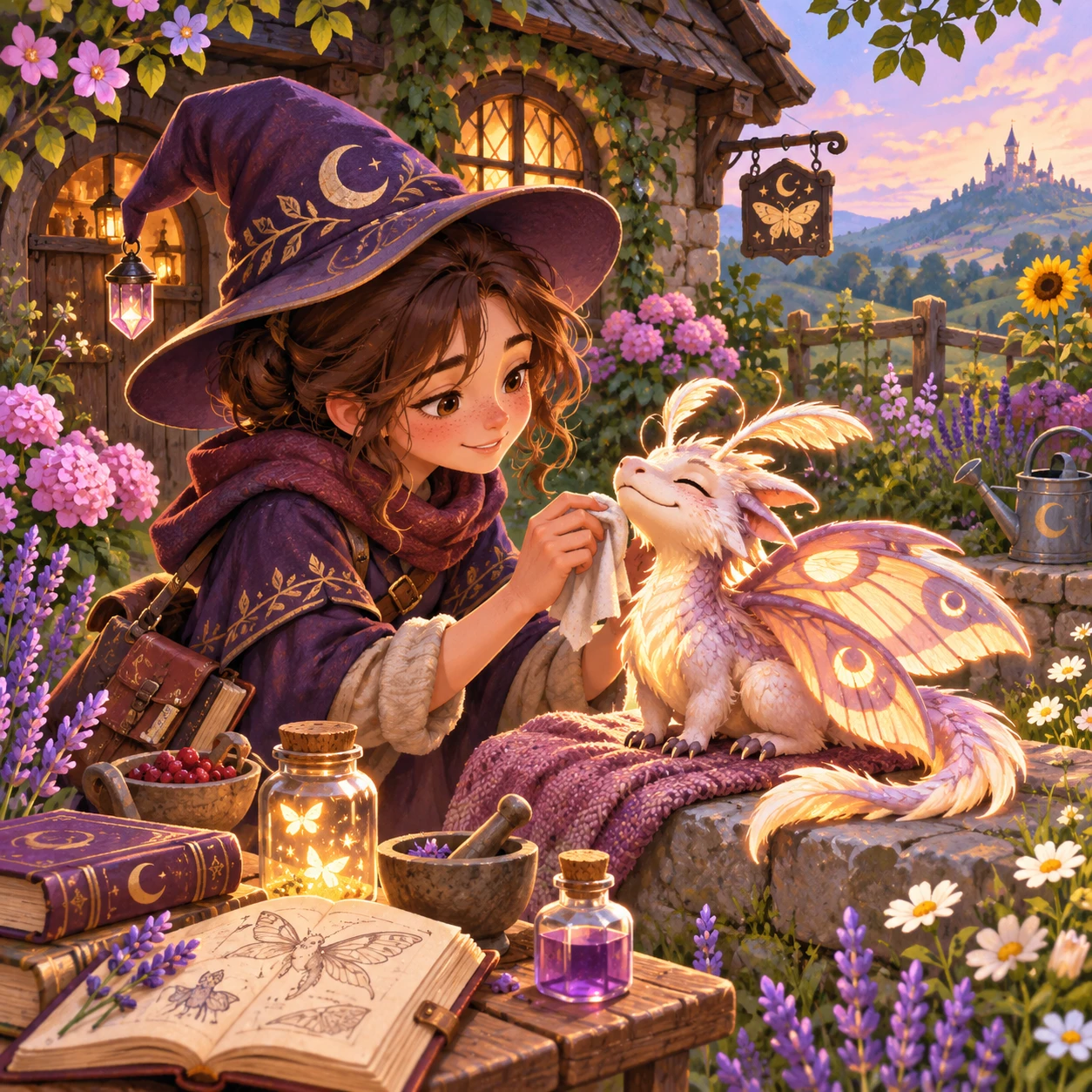
In a life-simulation game about a wizard apprentice, magical creatures should feel like part of everyday life, not decorations waiting in a collection menu. Their appearance, behavior, needs, and abilities can all shape the player’s routines and relationships. The strongest designs give players small, meaningful reasons to notice, care for, and learn from each creature.
Start with a role in the player’s life
Each magical creature should contribute to the apprentice’s routine, relationships, or magical learning in a clear way. A useful role gives the creature a place in life-simulation gameplay before you decide its rarest spell or fanciest markings.
Start by asking what changes when this creature arrives. A dusk moth might gather near the apprentice’s lamp and help reveal hidden ink on old lessons. A mossback hare could nibble weeds from the herb garden, then leave behind a few useful clippings. Their value comes from how they fit into the player’s day, not from making every task faster.
Consider three connected roles:
- Routine: Does the creature create a small daily activity, such as preparing a warm nesting box?
- Relationship: Does it respond to the apprentice’s habits or introduce a gentle social moment?
- Learning: Does it reveal something about local magic, habitats, or spellcraft?
One creature can support more than one role, but avoid making it essential to every system. If the apprentice needs a particular animal to complete routine chores, care can start to feel compulsory. Let creatures offer opportunities, shortcuts, or discoveries rather than hold progress hostage.
Build a design that tells a story
A creature’s silhouette, details, and magical traits should suggest where it lives and how it behaves. Strong visual design helps players understand a creature at a glance, even before they learn its name.
Begin with its habitat and temperament, then choose a shape that supports both. A shy creature that hides among bookshelves might have a flat, leaflike body and soft colors that blend into a room. A curious pond-dweller might have bright eyes, delicate webbed feet, and fins that ripple when it senses movement. These cues make the world feel coherent: the creature appears shaped by its surroundings, rather than designed in isolation.
Think of the design as a small chain of clues: habitat shapes body, body suggests behavior, and behavior reveals personality. A lantern-tailed gecko might prefer warm windowsills, stretch toward candlelight, and startle when the room grows noisy. Its tail could glow more brightly near a familiar apprentice, making bonding visible without a dialogue prompt.
Keep visual traits functional as well as expressive. A crest may flatten when the creature is tired; a ring of floating spores might brighten after a meal. At the same time, avoid giving every feature a status meaning. A few readable cues are more useful than a creature covered in competing signals.
Give creatures routines and recognizable needs
Creature routines and needs should be easy to read, varied enough to invite care, and forgiving when the player is busy. A creature should feel alive across the day without turning its care into a checklist.
Give each species a simple rhythm tied to its nature. A moon-skipper may become active after sunset, while a teacup-sized cloudling might drift toward open windows in the afternoon. These habits help players anticipate behavior and make the home feel inhabited. They can also create optional moments: leave a window open to watch the cloudling hover over the garden, or set out a shallow dish for the moon-skipper after dusk.
Use a small set of clearly signaled needs, such as food, comfort, company, or a suitable environment. Not every creature needs the same combination. A solitary crystal beetle may need a quiet mineral nook, while a social puffbird may seek play or company. Let animations and environmental cues communicate needs before relying on meters or warnings.
A practical routine has three parts:
- Notice: The player sees a cue, such as a drooping ear or an empty nesting spot.
- Respond: They choose an action, such as offering a snack, adjusting the habitat, or inviting play.
- See a result: The creature relaxes, explores, or behaves differently for a while.
Keep needs forgiving. If a player misses a feeding window, the consequence might be a sleepy creature that skips a playful activity, not illness or a long recovery task. Care feels rewarding when attention creates comfort and discovery, rather than preventing punishment.
Make magic interactive, not just decorative
Magical abilities work best when they create meaningful activities, discoveries, or gentle challenges in the apprentice’s daily life. A glowing effect is charming, but an ability gains staying power when the player can recognize and respond to it.
Design magic as a useful interaction with a limit or condition. A pebble sprite might reveal a buried rune after rain, but only if the apprentice has earned its trust. A breeze fox could carry a light object across the garden, helping the player arrange wind chimes or retrieve a dropped note. These abilities encourage curiosity without turning creatures into tools that solve every problem automatically.
Not every magical ability needs a mechanical reward. One creature might alter the mood of a room with drifting sparks; another may hum near an unfinished spell, suggesting that the player should investigate. The key is to connect the effect to an activity the player can choose to pursue.
Use a simple test for each ability: Can the player notice it, understand its context, and decide whether to engage? If the answer is no, the magic may be purely decorative or confusing. If every ability grants resources on demand, however, it can flatten the game’s choices. Keep some magic situational, playful, or discoverable through observation.
Let bonding emerge through player choices
Creature bonding should develop through repeated, optional interactions that reflect the player’s choices. Care, play, and shared discoveries can make a relationship feel distinct without requiring a long friendship meter.
Let players learn what an individual creature enjoys. One puffbird may respond to a gentle whistle; another may prefer being offered a berry and left to explore. The creature’s reactions can guide the apprentice, so the player builds familiarity by paying attention rather than selecting the same interaction every day.
Choice matters most when different approaches are valid. A player might bond through patient observation, frequent play, or creating a comfortable habitat. Those paths could lead to different small behaviors: a creature that naps near the apprentice’s desk, follows them into the garden, or brings an unusual seed now and then. Avoid making one approach objectively best, especially if it demands more time.
Track relationship change through behavior as well as interface feedback. A familiar creature might approach sooner or share a new animation. A modest bond indicator can help players understand progress, but it should not replace these expressive moments. In a cozy wizard-apprentice world, a creature choosing to settle beside a book feels more personal than a large numerical reward.
Keep the system cozy, clear, and manageable
A cozy creature system keeps its rules understandable, its care forgiving, and its rewards focused on connection. Complexity should deepen the player’s relationship with magical creatures, not increase the amount of work required to maintain them.
For each creature, define a small design sheet: its habitat, two or three recognizable behaviors, a few needs, one magical interaction, and several possible bonding responses. This gives the creature a distinct identity while keeping implementation and player learning manageable. Add complexity only when playtesting shows that it creates a choice players enjoy.
Watch for three common design traps:
- Too many needs: Designers may add meters to make creatures seem realistic. Players then spend more time maintaining status bars than enjoying their companions. Keep only needs that lead to interesting choices.
- One mandatory care routine: A single correct schedule can make a relaxed game feel like work. Offer flexible ways to meet a need, and make missed moments recoverable.
- Abilities that erase decisions: A creature that automatically handles chores can make the apprentice’s choices irrelevant. Let abilities open possibilities or change outcomes instead of removing every obstacle.
Clear feedback is essential. Pair a short message with a visible reaction: the creature moves toward a sunny perch, and a simple cue explains that it enjoys warmth. Keep consequences gentle and give players time to learn. A slower system may offer fewer dramatic surprises, but it gives daily interactions room to become familiar and meaningful.
FAQ
These answers summarize how to make magical creatures believable, enjoyable to care for, and compatible with player choice in a life-simulation game.
How can magical creatures feel believable in a life-sim game?
Give each creature consistent links between its habitat, appearance, personality, needs, and behavior. A creature that lives near warm lamps should show an understandable preference for warmth, and its routines should reflect that preference. Believability comes from clear patterns, not from simulating every biological detail.
How do you make creature care engaging without adding chores?
Make care optional, forgiving, and responsive. Use a few readable needs, offer more than one way to meet them, and reward attention with comfort, new behavior, or discovery. Avoid escalating penalties when the player misses an interaction.
Should every creature have a unique magical ability?
Every creature should have a distinct identity, but that does not require a separate, powerful ability for each one. Some can differ through their routines, reactions, preferred habitats, or small environmental effects. Reserve larger abilities for creatures that support a meaningful activity.
How can creature routines support player choice?
Use routines to create invitations rather than deadlines. A dusk-active creature can give the player a reason to visit the garden at night, while leaving the choice to do so entirely up to them. Let different care styles and schedules lead to varied, satisfying interactions.