The Psychology of Escapism in Digital Entertainment: Finding Comfort in a Wizard’s World

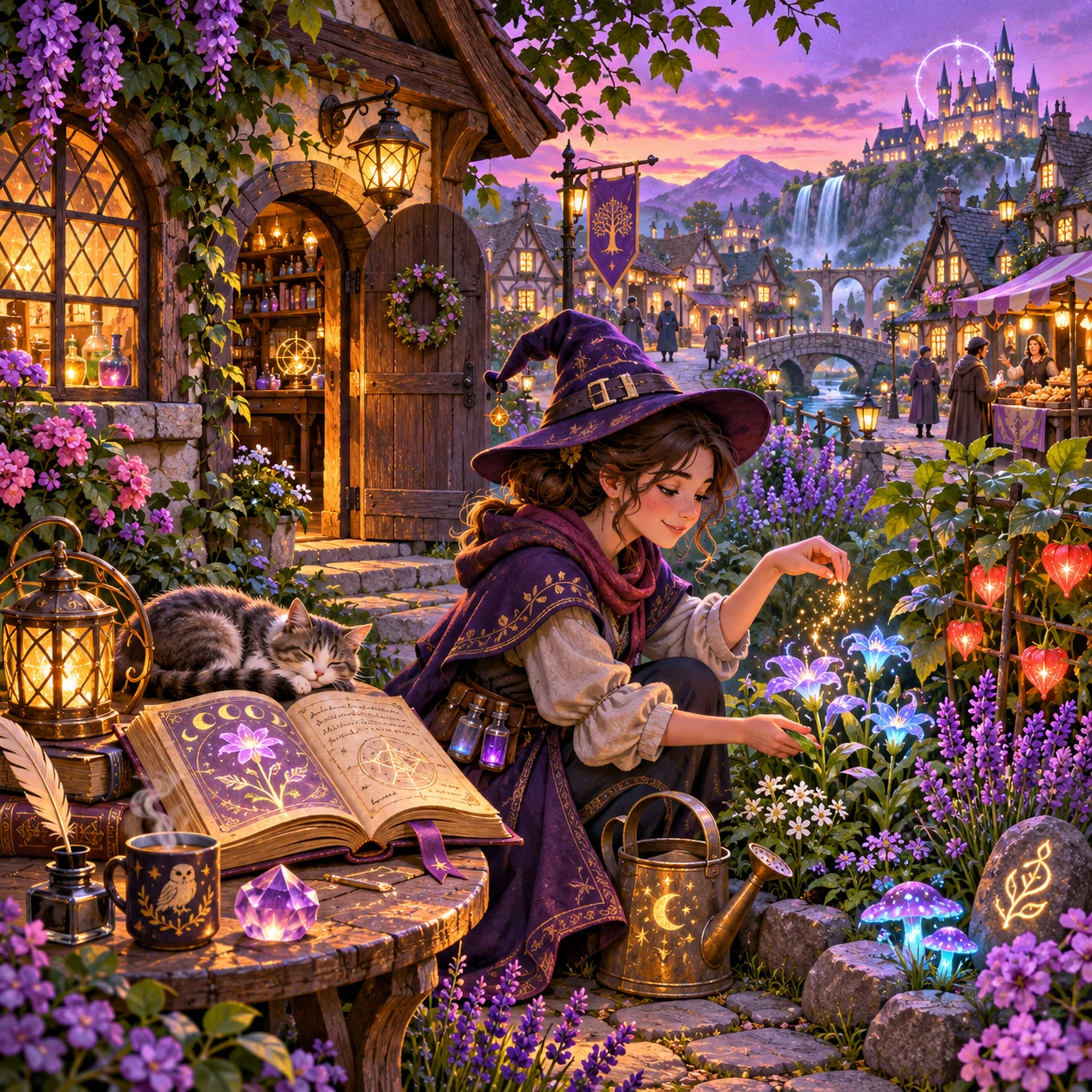
A quiet evening in a fantasy village can feel like a welcome change of scenery. You tend a garden, learn a spell, or help a neighbor, and for a while your attention settles somewhere other than the day’s demands. That shift is one reason digital entertainment can feel restorative: it offers a different emotional setting, with choices and rhythms shaped by play.
The psychology of escapism is more nuanced than simply wanting to run away. In a cozy life-simulation game about a wizard apprentice, everyday routines and magical progress can create a satisfying pause. The value of that pause depends on how it fits into the rest of life.
What Escapism Means in Digital Entertainment
Escapism in digital entertainment is the use of stories, activities, or play to shift attention into a different experience or emotional setting. It is not automatically harmful; its effects depend partly on why, how, and how often someone turns to it.
A novel, a favorite show, a puzzle, and a life-simulation game can all provide a break from ordinary concerns. In games, the player does more than watch: they make decisions, respond to events, and help shape what happens next. This active attention can make an imagined world feel absorbing without making it a replacement for real life.
Escapism may offer **stress relief** by creating a bounded activity with clear feedback. Watering virtual plants produces a visible result; completing a small task brings a sense of closure. Those moments can be pleasant even when they do not solve the problem waiting outside the game. A useful distinction is whether play helps you return to daily life feeling refreshed, or repeatedly makes it harder to meet important needs.
Why Fantasy Worlds Feel So Inviting
Fantasy worlds invite players through novelty, emotional distance, and room for self-expression. They let ordinary feelings and choices take place in a setting where magic, unusual characters, and imagined possibilities make the experience feel different.
That distance can make it easier to explore a mood or role without needing to explain it. A player might try being curious, patient, or helpful as a wizard apprentice, then decide which parts of that experience they enjoy. Role-play gives these choices a shape: tending a familiar, studying spells, or building trust with a neighbor can turn abstract feelings into actions within the game.
Fantasy also provides novelty without demanding that every moment be intense. A village with strange plants and magical customs can feel fresh, while familiar activities keep it legible. The combination matters. A world that is all surprise may feel tiring; one with no discovery may lose its pull. For many players, inviting fantasy offers a gentle balance between the comfort of routine and the pleasure of finding something new.
The Comfort of a Life-Simulation Routine
Life-simulation games can feel grounding because they pair familiar activities with gentle goals and visible progress. A steady routine gives players a simple way to choose what to do next without requiring constant high-stakes decisions.
In a wizard-apprentice setting, a day might involve gathering ingredients, practicing a new spell, tending a small home, and speaking with a few villagers. Each task is modest, but together they create a rhythm. Progress can be measured in a growing garden, a more capable character, or a friendship that develops over time. These cues make the world feel responsive.
Cozy games often keep pressure low, but low pressure does not mean every player finds them relaxing. Repetitive tasks can become chores if the game offers little variety or makes progress feel obligatory. A welcoming life simulation gives players a choice of activities and lets them stop without the sense that they have failed a schedule.
For a practical test, notice how you feel after a session. If a short spell of play leaves you calmer or more engaged with the rest of your evening, the routine may be serving its purpose. If you feel tense about unfinished in-game tasks, that may be a sign the game’s demands are no longer matching the kind of break you wanted.
Agency, Identity, and the Wizard Apprentice
Playing a wizard apprentice can make escapism engaging by linking player agency to learning and personal choice. The player decides what to practice, how to spend time, and what kind of character to become.
Apprenticeship is a particularly fitting frame because it makes growth gradual. A new spell can feel earned through practice, while mistakes become part of learning rather than a final verdict. The player may focus on gardening magic, exploration, helping others, or a mix. These paths let player agency shape the experience and give progress a personal meaning.
Identity in role-play is flexible. Some players enjoy imagining themselves in the character; others treat the apprentice as a separate person whose story they guide. Either approach can support exploration. Designing choices that matter without making one path feel like the “correct” one helps the fantasy stay open to different play styles.
Agency also has limits. A game can offer many choices while still steering players toward a narrow routine, and repeated upgrades can make freedom feel like a checklist. Strong design keeps actions understandable, shows the consequences of meaningful decisions, and leaves room for players to define what a satisfying day in the magical world looks like.
Restorative Escape Versus Avoidance
Play is more likely to feel restorative when it provides enjoyment or a pause without regularly displacing sleep, responsibilities, relationships, or basic care. It may be worth reassessing gaming when those needs are repeatedly pushed aside.
There is no single session length that makes play healthy or unhealthy for everyone. Context matters: a long weekend session may fit someone’s schedule, while a shorter session can still become a problem if it consistently delays an important task. Rather than judging yourself for wanting an escape, look at the pattern and its consequences.
- Notice the reason: Are you choosing play because it sounds enjoyable, or because you feel unable to face anything else?
- Check the effect: Do you usually leave the game more settled, or more frustrated and reluctant to return to your day?
- Protect essentials: Set a stopping point that leaves room for sleep, meals, work, study, and time with people you care about.
- Adjust without blame: If play is crowding out something important, try a shorter session, a different activity, or a planned time to return to the game.
Games can be a source of comfort, but they are not a substitute for mental-health care when someone needs it. If distress persists or daily functioning becomes difficult, consider reaching out to a qualified professional or trusted support person. A balanced view leaves room for both the pleasure of play and the realities a player may be facing.
Designing a More Welcoming Kind of Escape
A welcoming digital escape offers approachable pacing, meaningful choices, and the freedom to play at a personal pace. These design principles help a fantasy life simulation feel inviting without turning relaxation into another obligation.
For a wizard-apprentice game, that can mean making early tasks easy to understand, introducing spells gradually, and letting players choose between activities such as crafting, exploring, gardening, and socializing. Helpful feedback shows what changed after an action, while optional goals give direction without insisting that every task be completed.
Good pacing also respects stopping. Players should be able to save progress, pause a routine, or return after a break without facing a flood of penalties. That choice may reduce urgency, but the trade-off is worthwhile for a game designed around comfort and self-directed play.
Meaningful agency comes from choices that change a small but noticeable part of the experience. A spell might open a new path through the village; a conversation might shape a friendship; a player’s preferred routine might determine how their cottage develops. When outcomes are legible and failure is forgiving, experimentation feels safe enough to be enjoyable.
For players, the same principle applies outside the game: choose a pace that leaves the experience pleasant. A short visit to the garden or one in-game day can be enough. The point is to find a moment of imaginative relief that fits into life, rather than letting the game decide what the rest of the day must look like.
Frequently Asked Questions About Escapism in Games
Is escapism through games always unhealthy?
No. Escapism is a common way to enjoy a story, relax, or take a mental break. It becomes a concern when gaming regularly interferes with important needs or responsibilities, or leaves someone feeling worse over time.
Why do cozy life-simulation games feel comforting?
They often combine familiar tasks, gentle goals, and visible progress. Players can settle into a routine and choose what to do next, though repetitive tasks or pressure to complete everything can make a particular game feel less relaxing.
What makes fantasy role-play appealing?
Fantasy role-play offers novelty and a setting for self-expression. A wizard apprentice can practice, make choices, and explore an imagined identity in a world where magic changes what is possible.
How can players keep gaming balanced?
Notice how play affects your mood and daily routines. Choose a stopping point, protect time for sleep and responsibilities, and adjust your habits if gaming repeatedly crowds out something important.